What Kind of Flour is Best for Sourdough Bread?

Wondering what type of flour is best for sourdough? This simple guide breaks down the best options for beginners, with tips on choosing flours to yield the best rise and texture, as well as more flavorful loaves.
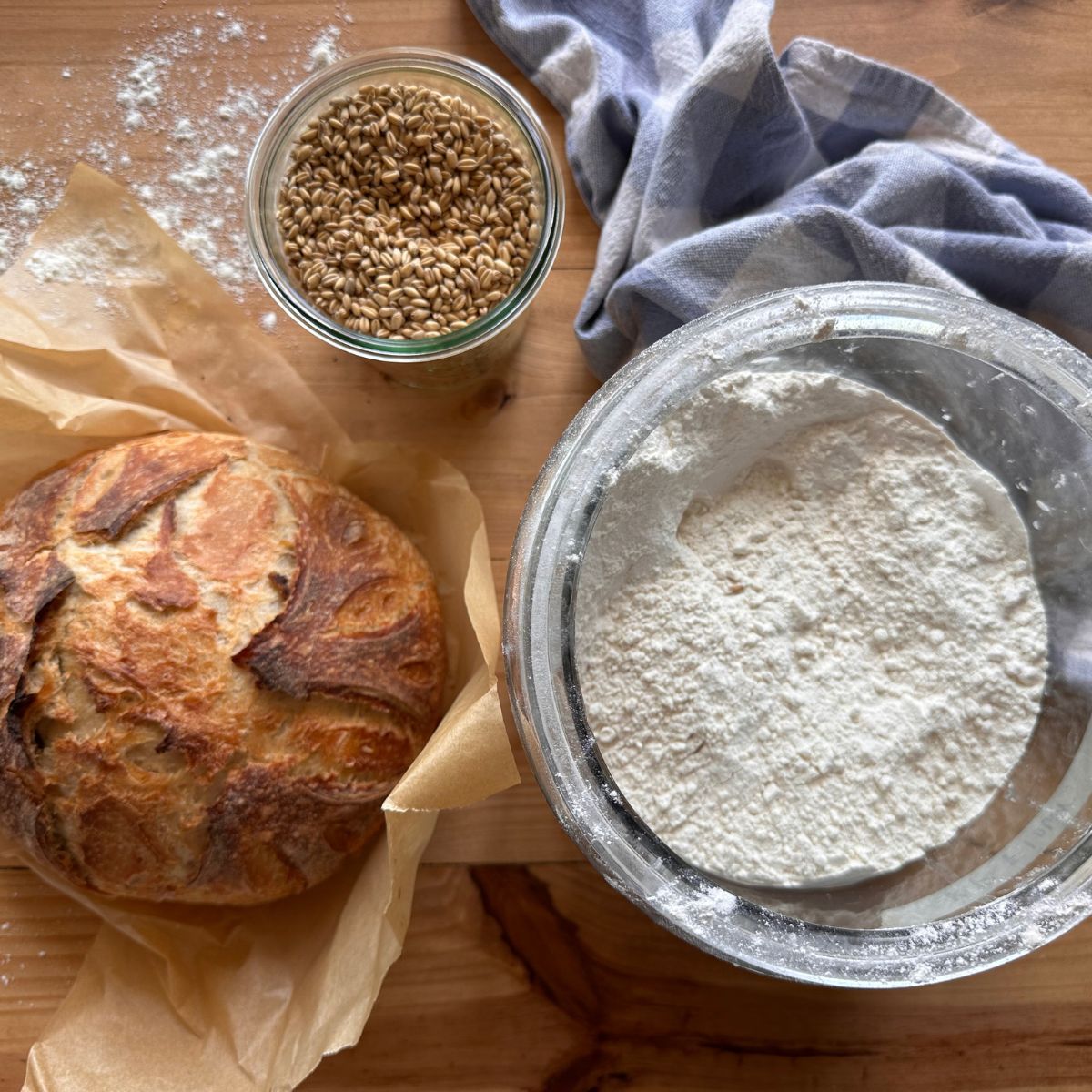
The Right Flour Makes All the Difference
When it comes to baking with sourdough, flour is definitely an important ingredient, but nothing to be intimidated by!
Whether you’re just getting started or trying to improve your loaves, choosing the right flour can make a huge difference in texture, flavor, and overall success. Let’s break it down simply so you can feel confident the next time you reach for a bag of flour.

Jump to:
What Kind of Flour Is Best for Sourdough Bread?
If you are brand new to sourdough baking and wondering what kind of flour is best to use, you are definitely not alone! I remember feeling slightly overwhelmed with the sheer amount of flour options to choose from-bread flour, all-purpose, whole wheat vs whole grain options… it’s a lot. And what even is the difference in all of these flours anyway?
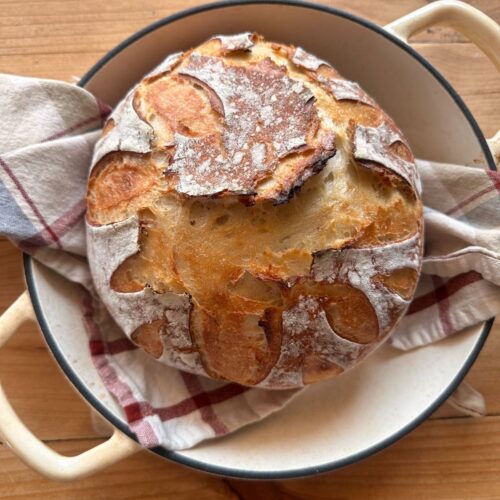
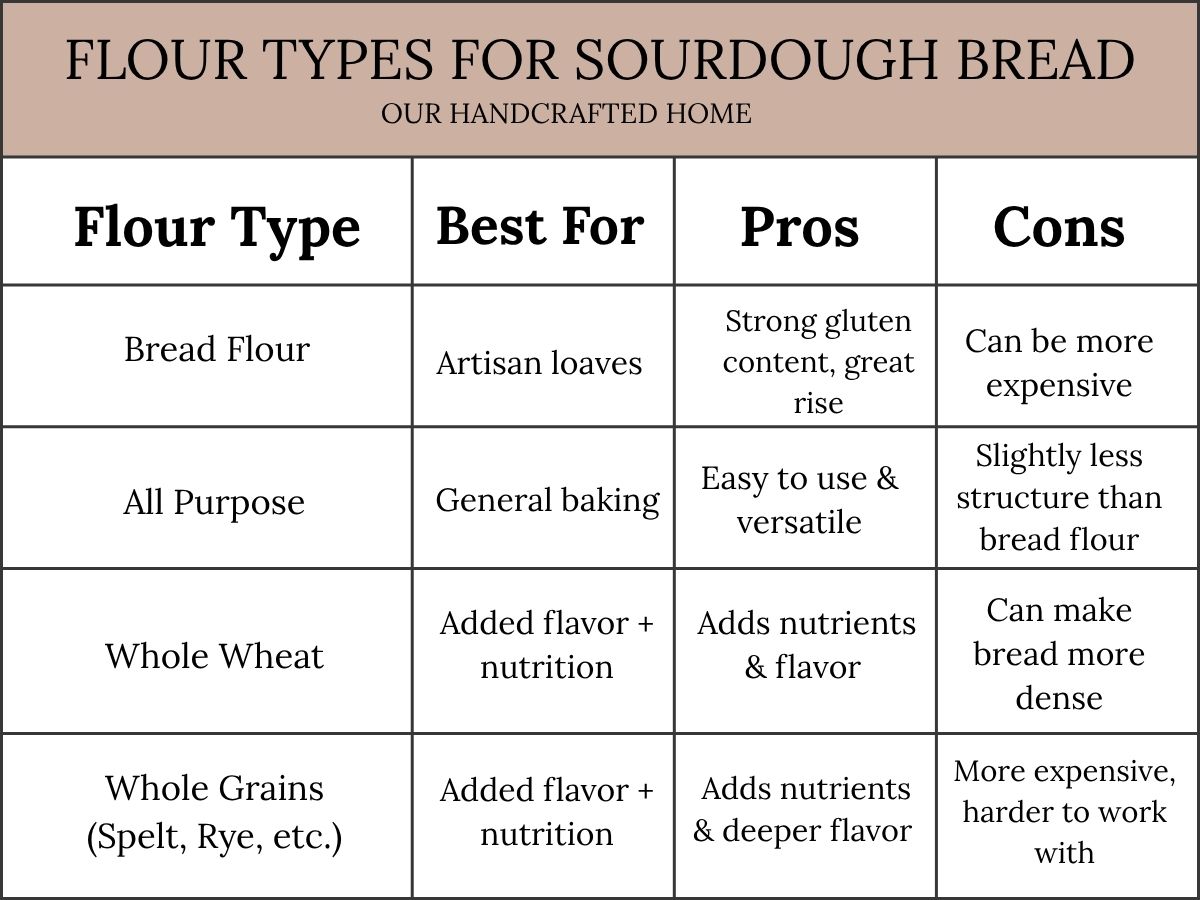
The good news? You don’t need anything complicated to get started! If you’re brand new to sourdough, I recommend starting with basic bread flour or all purpose flour, which both contain enough protein and gluten to give you a high rise and a soft, chewy crumb.
I love and use King Arthur organic unbleached flour for probably 99% of the loaves that I bake, and I haven’t had a problem yet!
Why Flour Choice Matters in Sourdough Baking
Flour plays a huge role in how your sourdough turns out. It affects:
- Structure: Higher protein = stronger gluten = better rise
- Texture & Flavor: Stick with bread flour or all purpose flour for a light, chewy, and open crumb. Whole wheat and other whole grain flours add a lot of nutrition, but will make the bread much more dense, with a tighter crumb.
- Added Nutrition: Some flours (like freshly milled grains or einkorn) are very nutrient dense and can add a ton of nutritional benefits to any loaf.
Once you feel confident in your flour choice for your sourdough bread, head over to this beginner sourdough bread recipe.
Quick Breakdown of Flour Types for Baking
Can I Mix Different Types of Flour?
Absolutely! Once you get more comfortable with baking, mixing flours can be a wonderful way to add in different flavors and nutrients to your bread. I often mix flours when making my fresh milled flour sandwich bread; bread flour for nice rise and chewiness, and whole grain wheat for some added flavor and nutrition. The same works for sourdough!
Best Flour for Sourdough Starter vs Bread
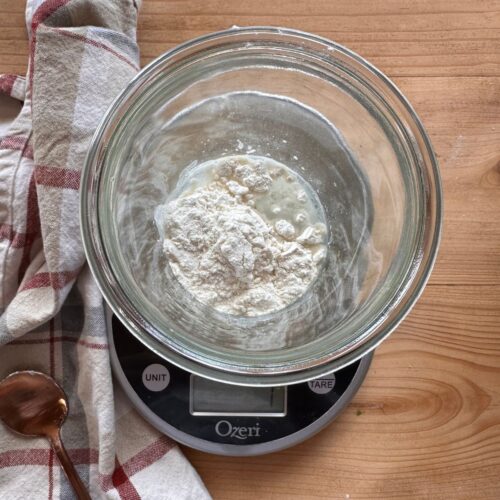
I primarily use organic all purpose flour to feed my starter, although bread flour is also a good choice for this. Freshly milled whole grains are also a good choice, just keep in mind they will change the texture of your starter! I go more in depth into this in my post on how to feed sourdough starter.
Final Thoughts for Choosing the Best Flour
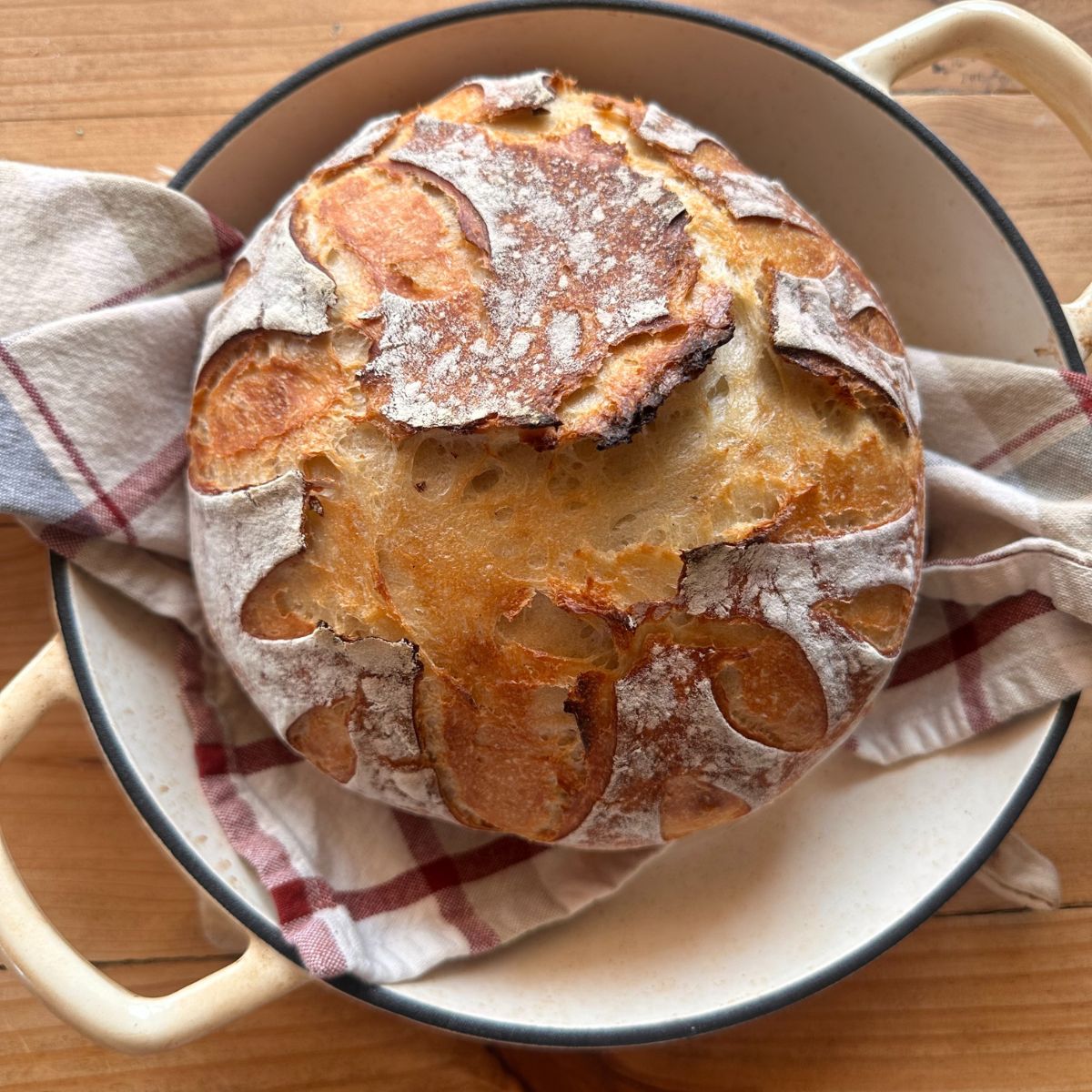
At the end of the day, the best flour for sourdough bread depends on your goals. Bread flour and all purpose flour are both reliable choices for structure and rise, while whole grains like wheat and rye can add depth of flavor and added nutrition.
If you’re just starting out, I’d recommend keeping it simple with the basic flours like all purpose or bread flour. Once you feel like you are comfortable and producing great loaves of bread consistently, you can begin to experiment with different flours and blends.
Happy baking!